Stitch Once, Wear Forever: How to Build a Custom Embroidered Capsule Wardrobe
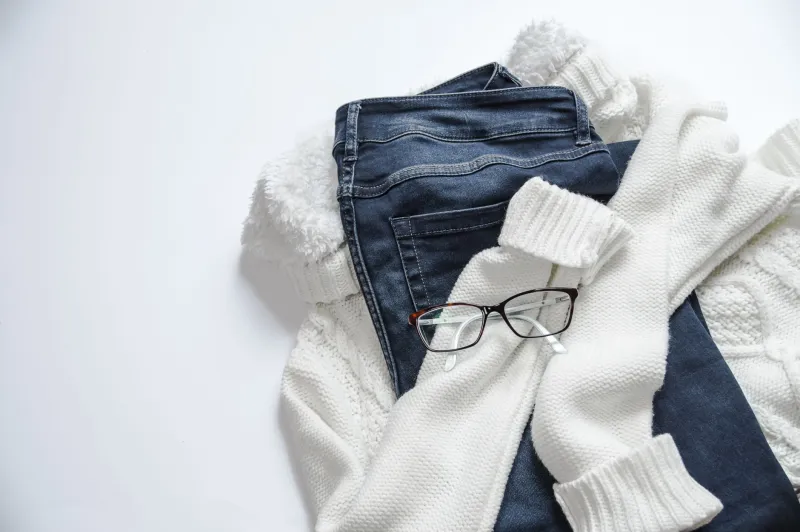
Here's a thought experiment: open your closet right now. How many of those pieces feel genuinely you? Not just wearable, not just fine — but actually, authentically you?
For a lot of us, the answer is somewhere between "a few" and "honestly, not many." Fast fashion has a way of filling our drawers with things that felt exciting at checkout and forgettable by Tuesday. The capsule wardrobe concept pushes back against that — fewer pieces, higher quality, longer life. But here's what most capsule wardrobe guides miss: personalization is what makes you reach for a piece. And nothing personalizes a garment quite like embroidery.
Building an embroidered capsule wardrobe isn't about stitching flowers on everything you own. It's about being intentional — choosing the right basics, planning your embroidery with purpose, and creating a closet where every piece feels like it belongs to you.
Start With the Right Blanks
Before you thread a needle, you need a solid foundation. The best candidates for an embroidered capsule are garments with longevity built in — pieces you'd keep even without the embroidery.
Think:
- Plain crew-neck or V-neck tees in neutral tones (white, black, heather gray, navy)
- A classic denim jacket — medium wash tends to be the most versatile
- A structured canvas tote or two
- A simple button-down shirt, linen or chambray
- A baseball cap or bucket hat
- A pair of chinos or straight-leg jeans with a flat front panel or cuff you can work on
Quality matters here more than anywhere else in your wardrobe. Thrifted basics are a great option — they're already broken in, they're affordable, and there's something genuinely satisfying about upgrading a secondhand find. But if you're buying new, look for tightly woven fabrics that hold stitches cleanly without puckering.
Pick a Visual Language and Stick to It
This is the part most people skip, and it's why a lot of DIY wardrobes end up looking scattered instead of cohesive. Before you start your first project, spend a little time figuring out your embroidery aesthetic.
Ask yourself:
- Do you lean toward botanical and organic shapes — leaves, florals, mushrooms?
- Are you drawn to text and typography — quotes, single words, monograms?
- Do geometric patterns feel more like you — clean lines, repeating shapes, abstract motifs?
- Or is your vibe more pop culture and maximalist — bold colors, layered images, playful references?
You don't have to lock yourself into one style forever, but starting with a clear aesthetic makes your pieces feel intentional rather than random. A denim jacket with a delicate botanical branch on the chest and a tote with a matching leaf motif? That's a wardrobe. A jacket with a cartoon cat, a tote with a geometric triangle, and a tee with a cursive quote in three different thread palettes? That's a craft fair.
Placement Is Everything
Where you put your embroidery is just as important as what you stitch. For a capsule wardrobe approach, you want placements that feel considered — not like you grabbed the nearest hoop and went for it.
For tees: A small left-chest motif (think 2–3 inches) is the most wearable option. It's subtle enough to layer under an open shirt or jacket, but distinctive enough to make the tee feel special on its own.
For denim jackets: The back yoke is a showstopper location for a larger design. Collar tips and cuffs are great for smaller accent stitching. If you want something wearable every day, a single motif on the chest pocket area hits the sweet spot.
For canvas totes: The front center panel is your canvas. Go bigger here than you would on clothing — totes can handle a 5–8 inch design without looking overwhelming.
For button-downs: Collar tips, cuffs, and the placket (the strip of fabric where the buttons are) are all underrated embroidery real estate. Even a few small stitched details can make a basic shirt feel custom.
For hats: The front panel is the obvious choice, but don't sleep on the side panels for smaller accent motifs.
Build in Layers: Start Simple, Add Over Time
One of the best things about an embroidered capsule wardrobe is that it doesn't have to happen all at once. In fact, it probably shouldn't.
Start with one or two anchor pieces — maybe your denim jacket and your everyday tote. Get those feeling right before you move on. As your stitching skills develop and your aesthetic sharpens, you'll naturally make better choices for each new piece you add.
This also means your wardrobe evolves with you. That tee you embroider today with a simple satin-stitch flower might look different from the intricate botanical sleeve design you tackle two years from now — and that's a feature, not a bug. Your clothes become a timeline of your craft.
Thread Color as a Unifying Tool
If you want your pieces to feel like they belong together without being matchy-matchy, your thread palette is your secret weapon. Choose two or three core colors that you return to across projects. They don't have to appear in every piece, but when they do, they create a visual thread (pun fully intended) that ties your wardrobe together.
Earthy terracotta, cream, and forest green is a palette that works across virtually any fabric color. Navy, rust, and gold feels classic and American without being costumey. Black, white, and a single accent color keeps things graphic and modern.
Whatever you choose, stick with it long enough to build a body of work — then feel free to evolve.
The Long Game
Here's the thing about an embroidered capsule wardrobe: it genuinely extends the life of your clothes. You're more likely to repair a garment you've invested hours of stitching into. You're more likely to reach for a piece that feels personal. And you're far less likely to toss something that represents your own creativity.
That's the real payoff — not just a prettier closet, but a more intentional relationship with what you wear. Every stitch is a small act of ownership over your style, your wardrobe, and your craft.
So start small. Pick one blank. Choose your motif. Thread your needle. The capsule builds itself one project at a time.