Someone Stole Your Stitch: A Maker's Real Guide to Handling Embroidery Design Theft
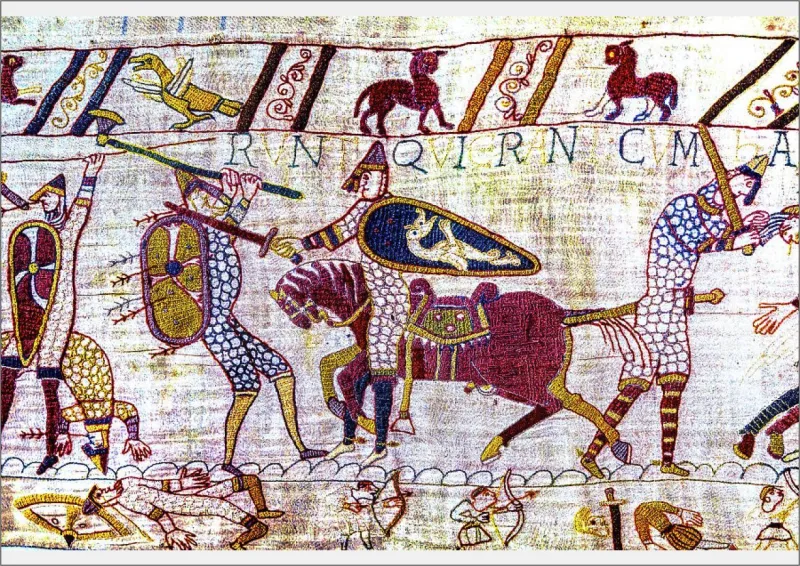
Photo: embroidery designer working at desk with original pattern sketches and hoop, via i.pinimg.com
You're scrolling through Instagram or Etsy on a Tuesday afternoon, minding your business, and then — there it is. Your design. Your color palette, your signature motif, your hours of work, sitting in someone else's shop or feed like it's totally normal. That sick, sinking feeling? Completely valid. And unfortunately, pretty common in the embroidery world.
Design theft in the maker community is one of those topics that lives in a weird, uncomfortable middle ground. The craft has centuries of shared technique and pattern-passing baked into its DNA. But that history doesn't mean your original work is up for grabs. Let's get into the real stuff — what copying actually looks like, where the legal lines are, and what you can genuinely do when someone crosses them.
First, Figure Out What You're Actually Dealing With
Before you fire off a DM or draft a cease-and-desist, it helps to slow down and assess. Not every similarity is theft, and knowing the difference will save you energy and protect your reputation.
Coincidence is real. The embroidery world has a shared visual vocabulary. Floral wreaths, mushroom clusters, celestial motifs — these are everywhere because they've always been everywhere. If someone else made a daisy chain hoop, that alone isn't copying.
Inspiration versus replication. There's a meaningful difference between someone who saw your work and loosely riffed on your aesthetic versus someone who reproduced your actual design — the specific composition, the exact color sequence, the distinctive elements that make your work yours. The first is how art has always worked. The second is a problem.
Pattern reselling without permission. This is one of the clearest-cut scenarios. If you sell or share a PDF pattern and someone is reselling it, distributing it for free without your consent, or claiming it as their own, that's copyright infringement. Full stop.
Selling finished pieces from your pattern. This is murkier. In the US, copyright law generally protects the pattern itself as a written/visual document. Whether someone can sew up and sell finished goods from a purchased pattern depends heavily on how you've licensed it — which is exactly why licensing language matters so much.
What Copyright Actually Covers (And What It Doesn't)
Here's the honest truth: US copyright law protects original creative works the moment they're created and fixed in a tangible form. That means your original embroidery design — your sketch, your digital file, your finished piece — is technically protected from the moment you make it. You don't have to register it to own the copyright, though registration does give you stronger legal footing if you ever pursue action in court.
What copyright does NOT protect: ideas, styles, general techniques, or concepts. You can't copyright "floral embroidery" or "folk-art inspired stitching." You can copyright your specific original artwork that expresses those ideas.
This is where it gets tricky in craft communities. Someone can legally make their own version of a folk-art style without copying you. But if they're lifting your specific design elements — your particular bird illustration, your unique monogram layout, your custom-drawn pattern — that's a different story.
If you want stronger protection, especially for patterns you sell commercially, registering your copyright with the US Copyright Office (copyright.gov) is worth the modest fee. It creates a public record and opens the door to statutory damages if you ever need to litigate.
Your Practical Playbook When It Happens
Okay. You've assessed the situation and you're pretty confident this is real copying, not coincidence. Here's how to move through it without burning everything down.
Document everything first. Screenshots, URLs, dates, prices — capture it all before you reach out to anyone. People delete things fast once they know you've seen it.
Start with a direct, calm message. A surprising number of design theft situations — especially in the craft community — involve someone who genuinely didn't understand they were doing something wrong. A clear, professional message explaining that you're the original designer and asking them to remove the work or credit you properly often resolves things quickly. Keep it factual, not emotional.
Issue a DMCA takedown if needed. If the copying is happening on a platform like Etsy, Instagram, or TikTok, you have a tool: the Digital Millennium Copyright Act (DMCA). Every major platform has a formal process for submitting copyright infringement claims. This is often faster and more effective than arguing in comments. Find the platform's IP reporting form and use it.
Get legal advice for serious cases. If someone is commercially profiting from your work at scale — like selling your pattern or building a business around your designs — it may be worth a consultation with an intellectual property attorney. Many offer free or low-cost initial consultations, and organizations like Volunteer Lawyers for the Arts provide resources for creators.
Know when to let it go. Sometimes the copying is minor, the person has no real audience, and the energy you'd spend fighting it isn't worth it. That's a legitimate call to make. Protecting your work is important; so is protecting your peace.
Protecting Yourself Before It Happens
The best defense is a good offense, and there are practical things you can do right now to make your work harder to steal and easier to reclaim if it gets stolen.
- Watermark your digital designs and pattern previews. Subtle but visible — enough to deter casual copying and prove origin.
- Post your process. Time-stamped work-in-progress photos on your social media create a public record of your creative development. They're hard to fake.
- Write clear licensing terms into your pattern PDFs. Spell out exactly what buyers can and cannot do — personal use only, no reselling, no commercial production, whatever fits your business model. If you want to allow finished-goods sales for an additional license fee, offer that explicitly.
- Build a paper trail. Save your original sketches, design files with metadata, and any emails or messages about your work. This documentation matters if you ever need to prove authorship.
- Consider a copyright notice on your work. A simple © [Your Name] [Year] on your patterns and digital designs doesn't guarantee protection, but it signals that you know your rights.
The Community Piece Nobody Wants to Talk About
One of the hardest parts of design theft in the embroidery world is that it often happens within communities built on generosity and sharing. The maker space has a culture of mutual inspiration, free tutorials, and open sharing — and that's genuinely beautiful. It's also what some people exploit.
You can protect your work and still be a generous community member. Those things aren't in conflict. Sharing your techniques freely doesn't mean surrendering your original designs. Teaching your methods doesn't mean handing over your intellectual property. You get to draw those lines.
And when you see copying happening to someone else in your community? Say something. Amplify the original creator. Credit culture is something we build together, stitch by stitch.
Your designs are yours. They came from your imagination, your practice, your late nights with a hoop and a needle. That matters — and it's worth defending.